
Excavation, Trenching & Shoring Safety Insights
Guidance, compliance insights, and jobsite best practices on OSHA 29 CFR 1926 Subpart P, trench inspections, protective systems, and Competent Person decisions.
October 23, 2026
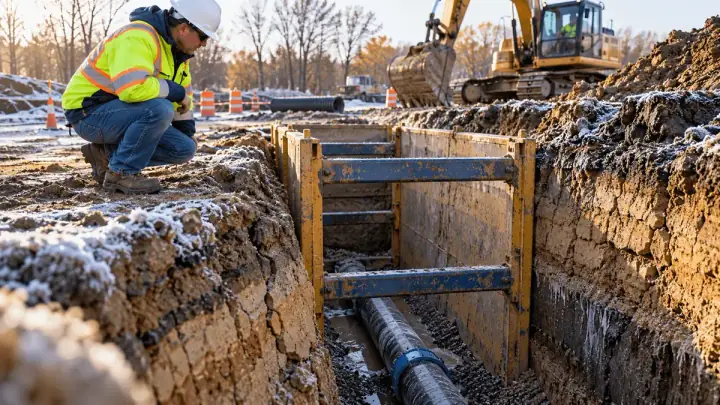
Excavation Freeze-Thaw Inspections: What Competent Persons Should Recheck Before Entry
October 22, 2026
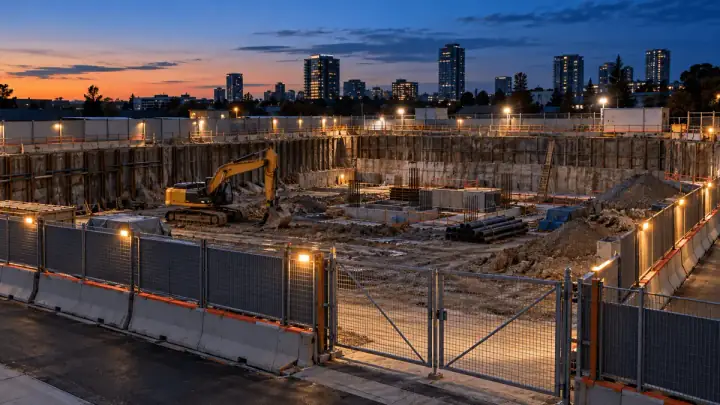
Unattended Excavations: What Employers Should Secure Before Crews Leave the Site
October 21, 2026
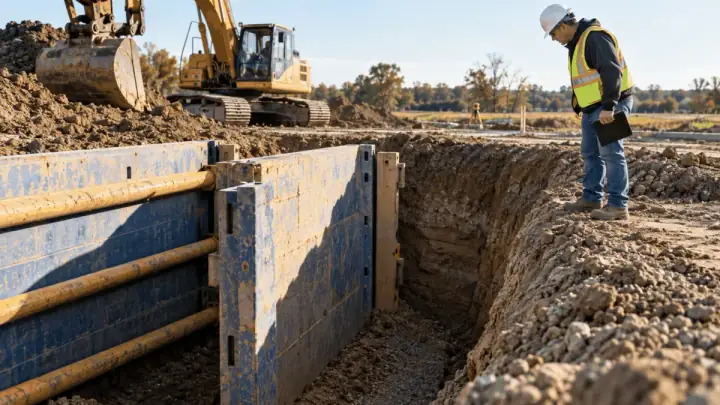
Trench Shield End Protection: What Competent Persons Should Check Where the Box Stops
October 20, 2026
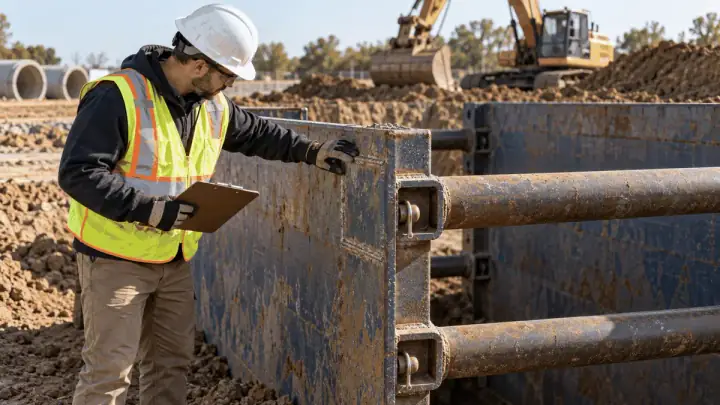
Trench Shield Damage Checks: What Competent Persons Should Inspect After Transport
October 19, 2026
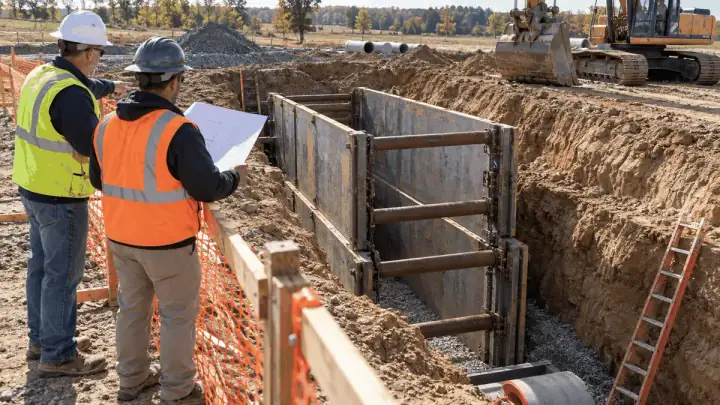
Trench Shield Stacking and Configuration: What Competent Persons Should Verify Against Tabulated Data
October 18, 2026
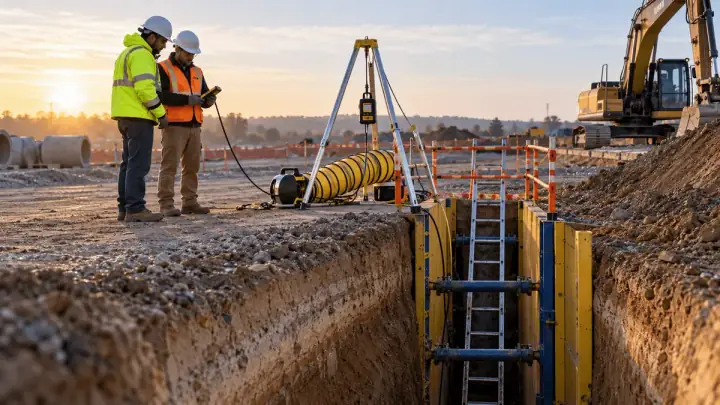
Hazardous Atmospheres in Excavations: What Competent Persons Should Plan Before Workers Enter
October 17, 2026
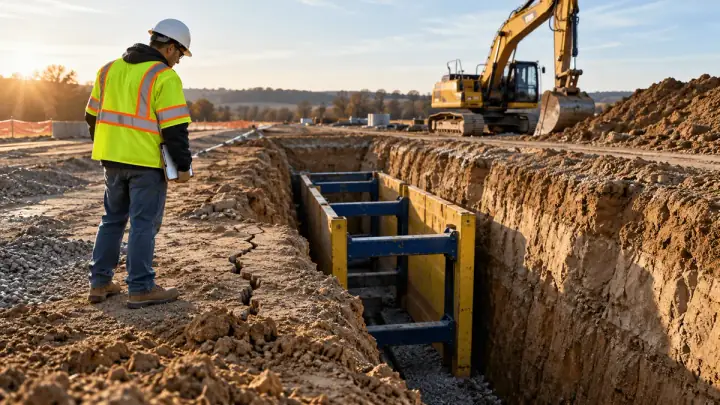
Trench Sidewall Warning Signs: What Competent Persons Should Check Before Crews Reenter
October 15, 2026
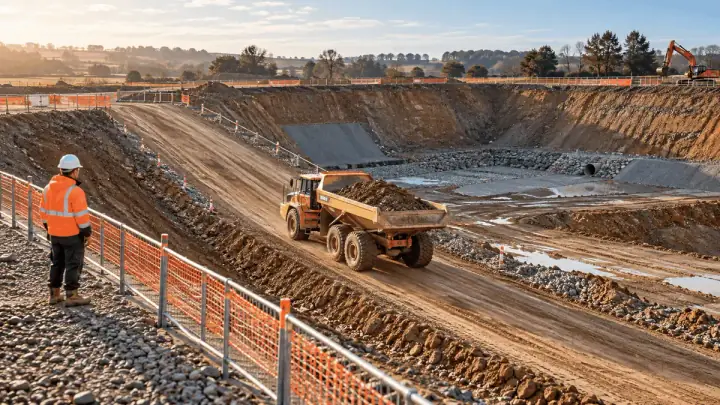
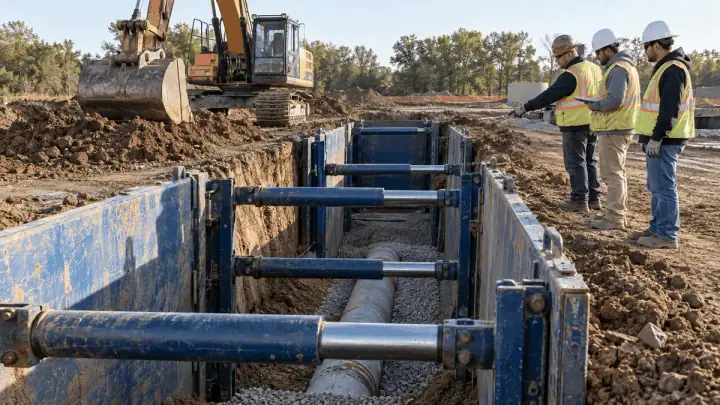
Temporary Excavation Ramps: What Employers Should Verify Before Equipment Uses Them
October 14, 2026
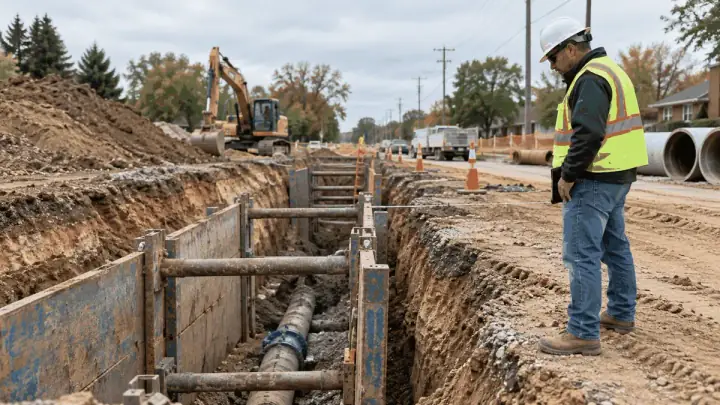
Trench Shoring Removal Sequences: What Supervisors Should Plan Before Supports Come Out
October 13, 2026
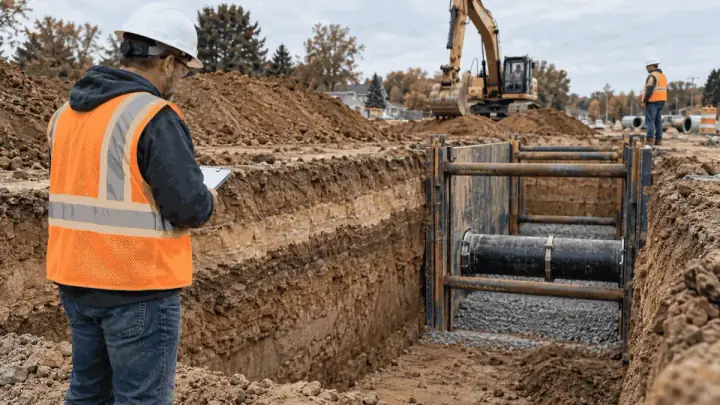
Excavation Stop-Work Triggers: What Supervisors Should Record Before Trench Conditions Change
October 12, 2026
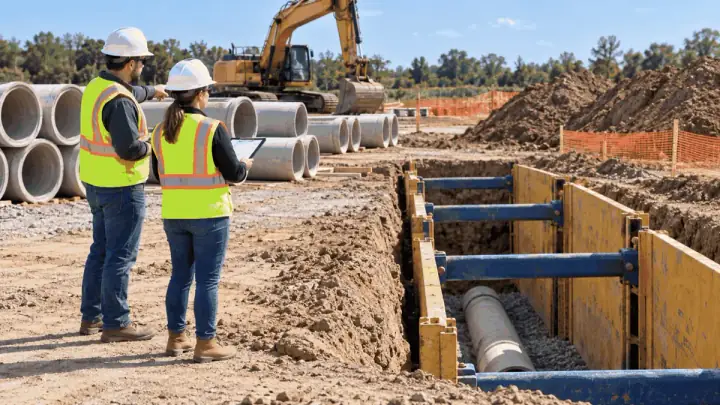
Excavation Soil Classification Records: What Competent Persons Should Document Before Choosing Protection
October 11, 2026
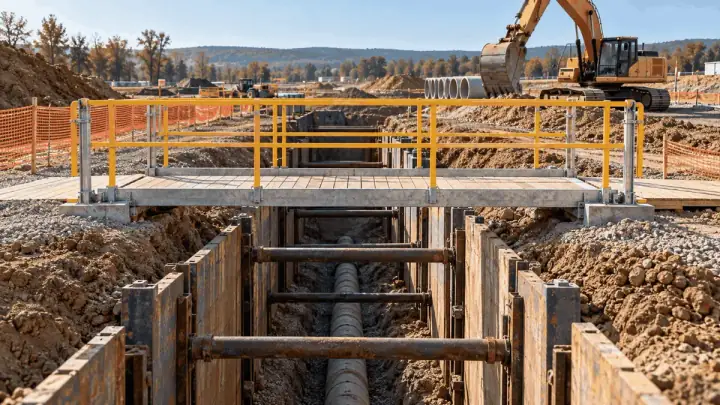
Excavation Dewatering Plans: What Supervisors Should Verify Before Pumps Start
October 10, 2026
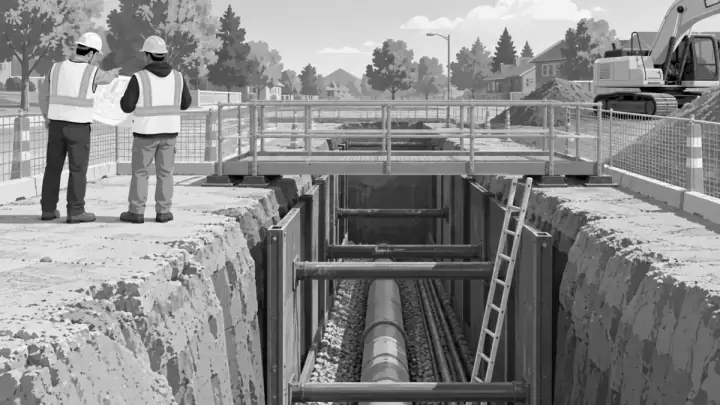
Excavation Edge Setback Checks: What Competent Persons Should Verify Before Equipment Moves
October 8, 2026
Trench Crossing Points: What Employers Should Control Before Crews Walk Over Excavations

October 7, 2026
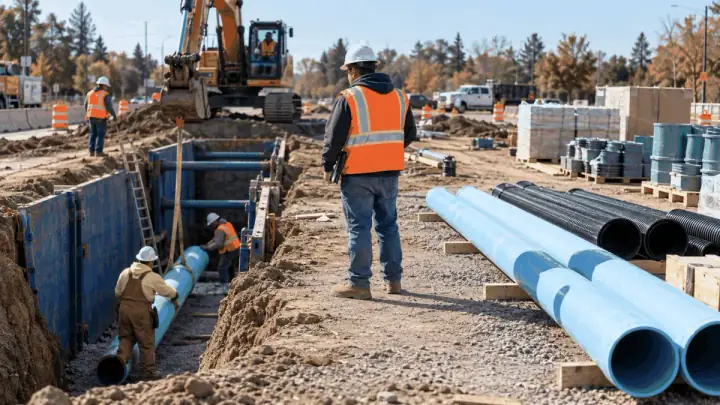
Excavation Spoil Runoff Controls: What Crews Should Check Before Rain Reaches the Trench
October 6, 2026
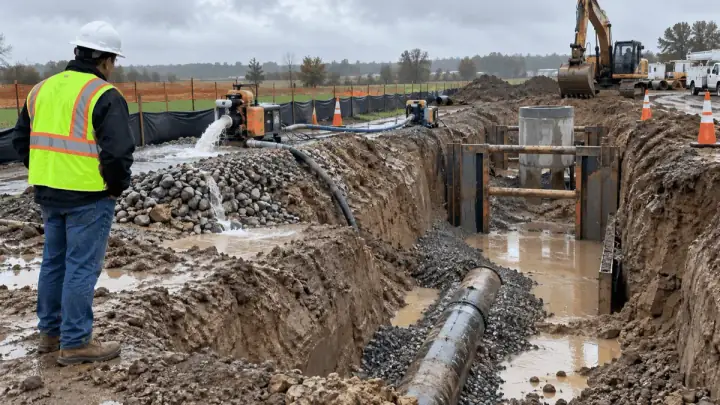
Trench Shield Relocation Checks: What Employers Should Confirm Before Changing Protection
October 6, 2026
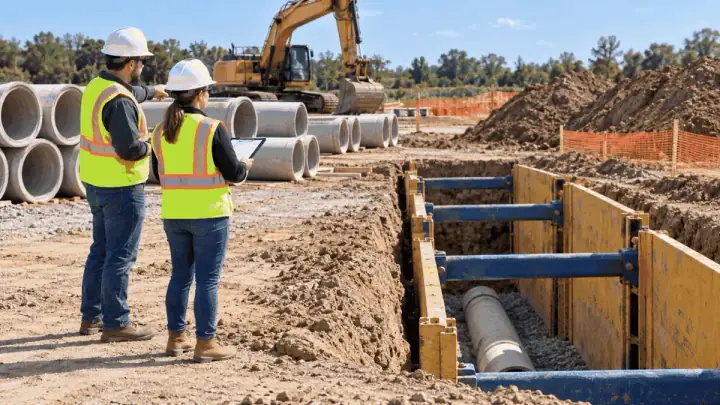
Rainwater Accumulation Near Trenches: What Competent Persons Should Check Before Reentry
October 5, 2026
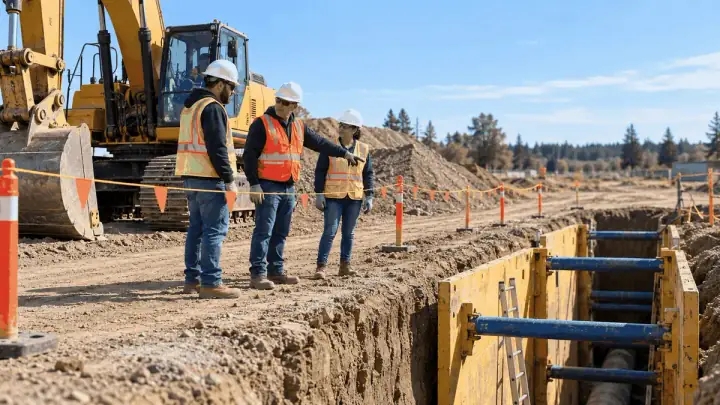
Pipe and Material Staging Near Excavations: What Supervisors Should Control Before Entry
October 4, 2026
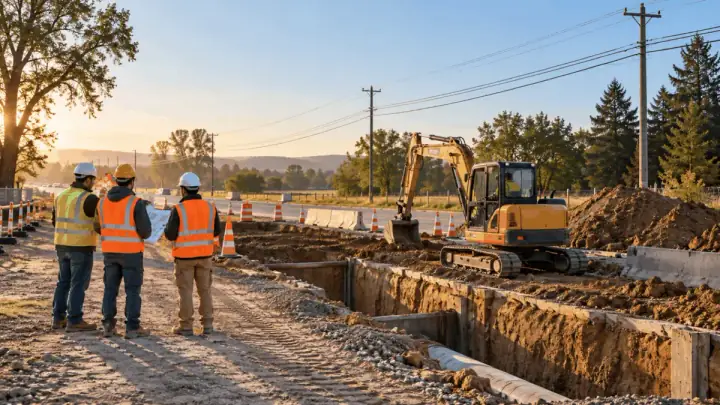
Excavation Safety Around Mobile Equipment: What Supervisors Should Control Before Trench Entry
October 3, 2026
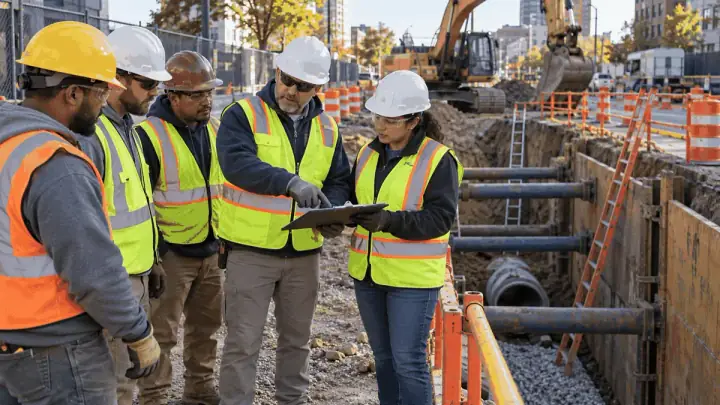
Excavation Work Near Overhead Lines: What Employers Should Plan Before Digging
October 2, 2026
Daily Excavation Safety Briefings: Turning Subpart P Duties Into Crew Actions
October 1, 2026
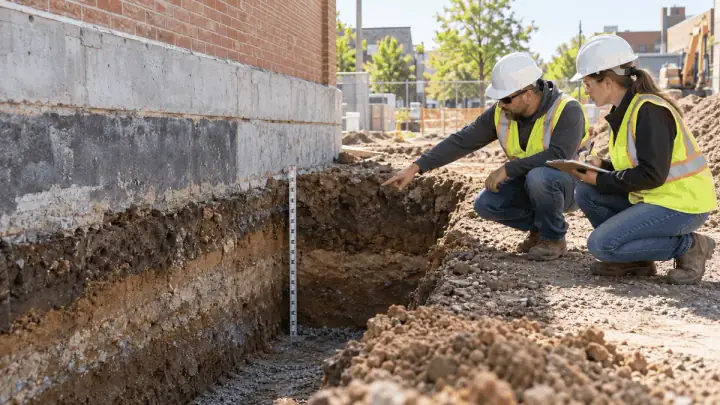
Excavation Near Existing Foundations: What Competent Persons Should Verify Before Entry
September 30, 2026
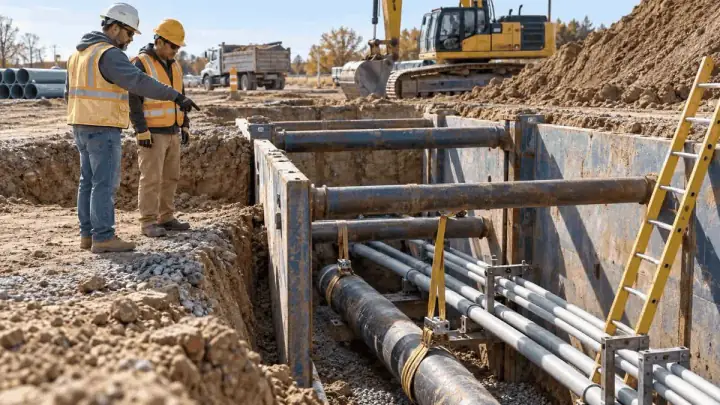
Utility Crossing Protection in Excavations: What Supervisors Should Verify Before Crews Work Beneath Services
September 29, 2026
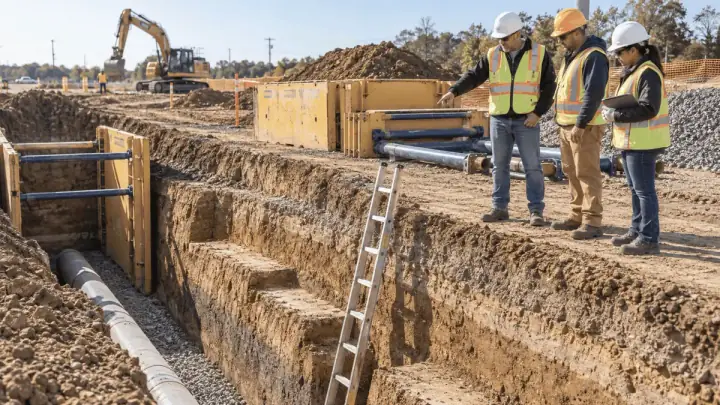
Bench and Slope Transition Checks: Training Competent Persons to Verify Changing Excavation Geometry
September 28, 2026
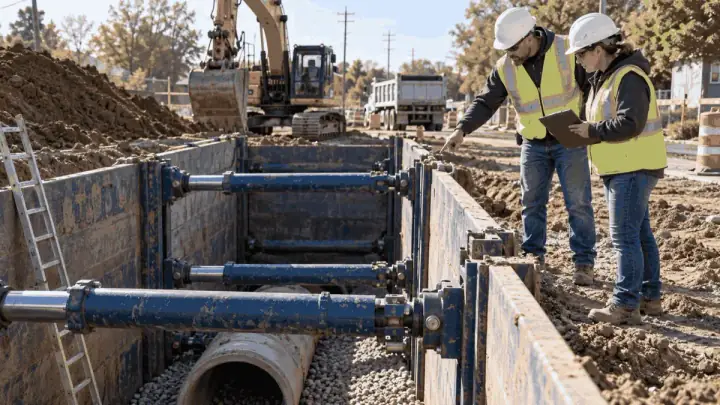
Trench Shoring Installation Checks: What Supervisors Should Verify Before Entry
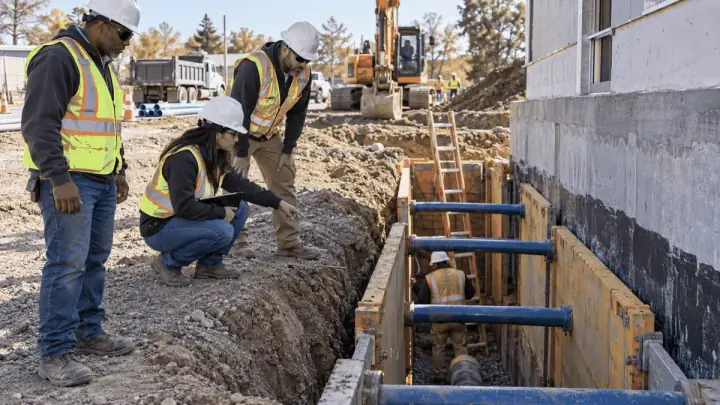
September 27, 2026
Excavation Safety Near Existing Foundations: What Supervisors Should Check Before Entry
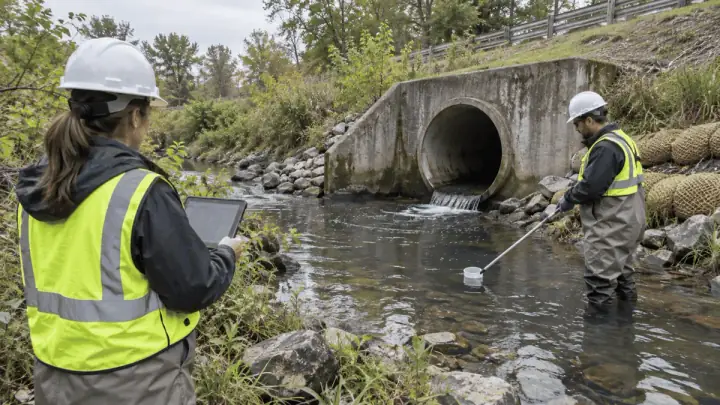
September 26, 2026
Trench Access and Egress Planning: What Supervisors Should Control Before Entry
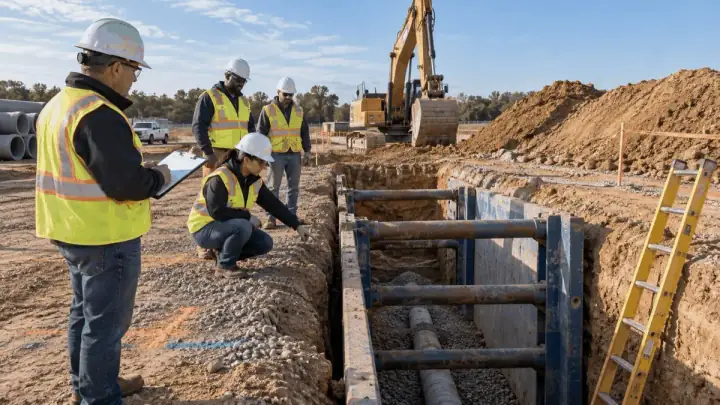
September 25, 2026
Competent Person Trench Inspection Records: What Employers Should Document Before Entry
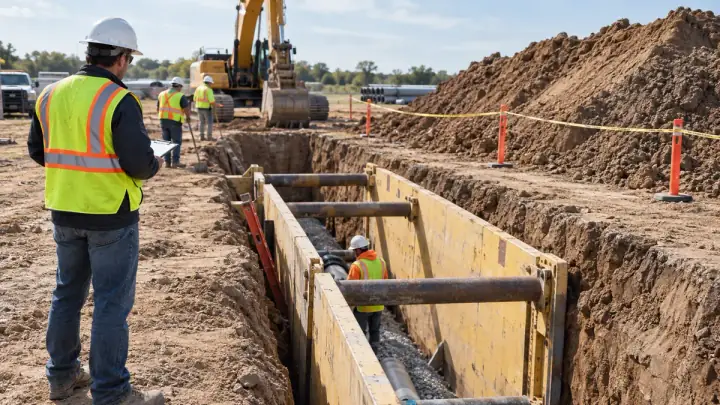
September 24, 2026
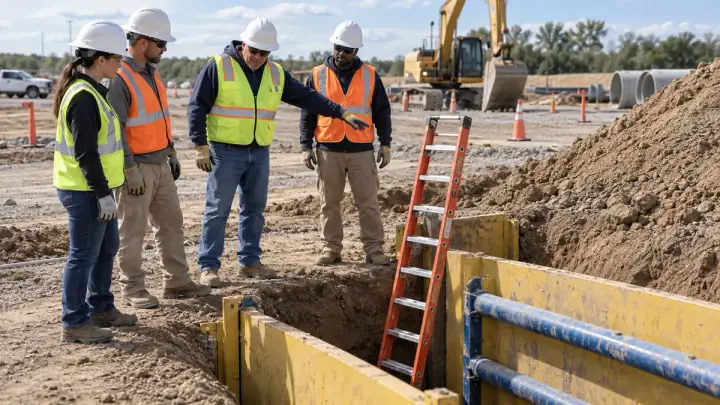
Spoil Pile Placement Around Trenches: Training Crews to Control Surcharge Loads Before Entry
September 23, 2026
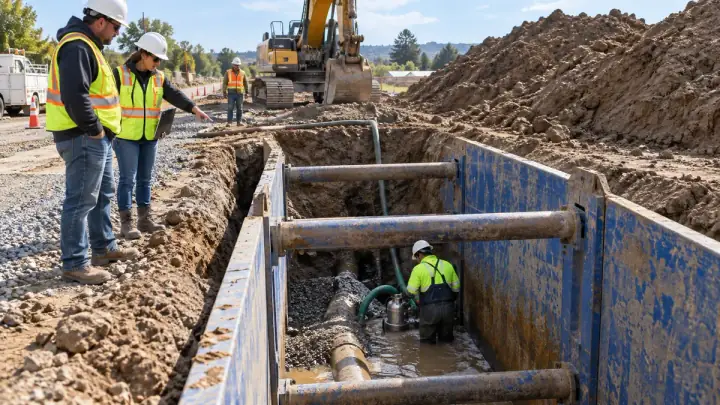
Excavation Inspection After Utility Exposure: Training Crews to Recheck Support and Entry Conditions
September 22, 2026
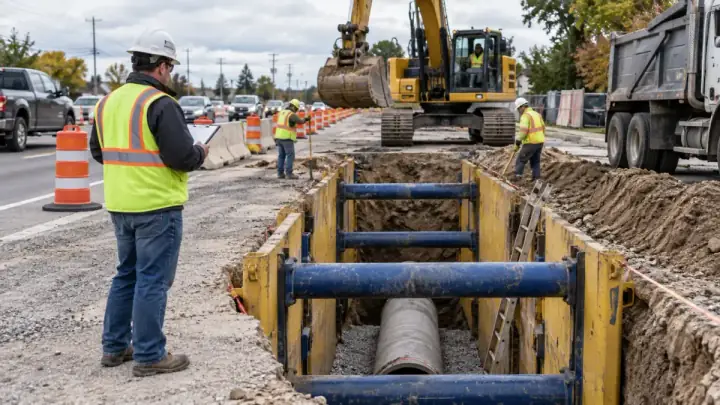
Groundwater in Excavations: Training Supervisors to Control Water Before Crews Re-Enter
September 21, 2026
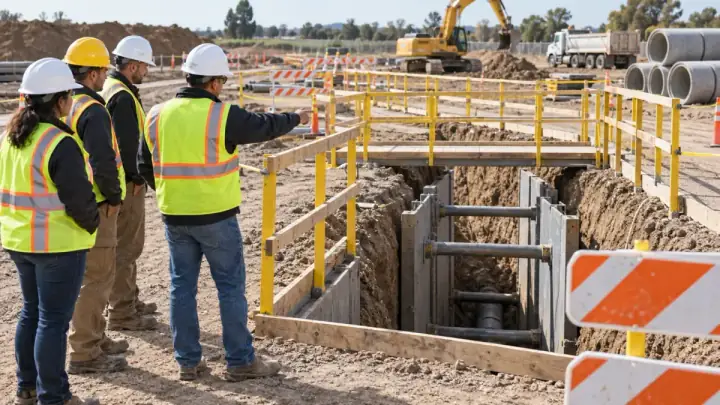
Roadway Excavations and Traffic Exposure: Training Crews to Control Vehicles, Spoil, and Entry Points
September 19, 2026
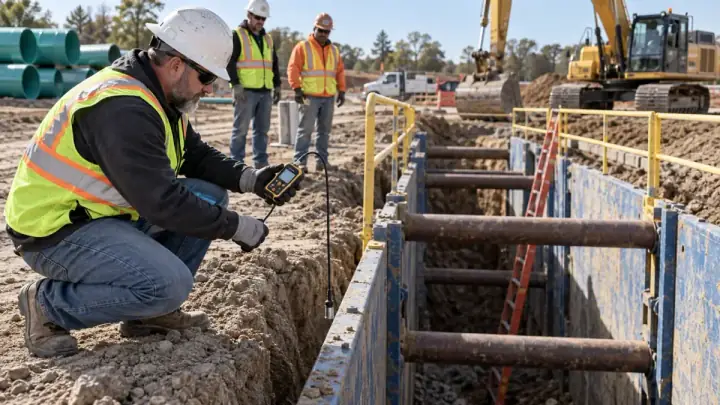
Fall Protection Around Excavations: Guarding Edges, Crossings, and Walkways Before Crews Start
September 18, 2026
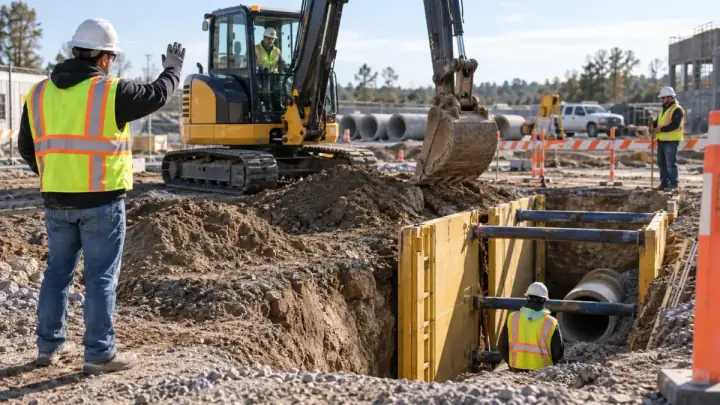
Hazardous Atmospheres in Excavations: What Competent Persons Should Test Before Entry
September 17, 2026
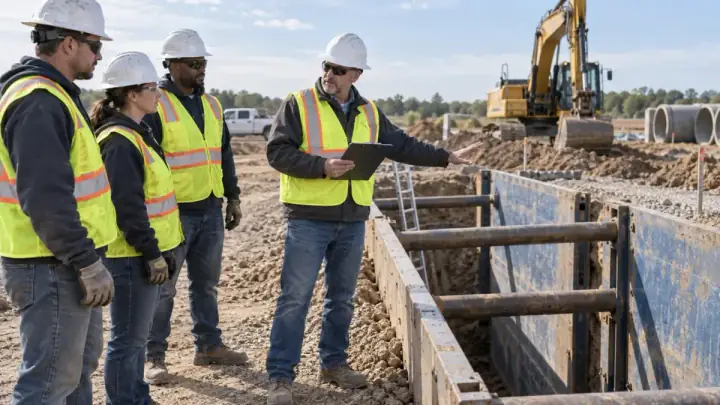
Mobile Equipment Around Trenches: Training Crews to Control Struck-By and Cave-In Risks
September 16, 2026
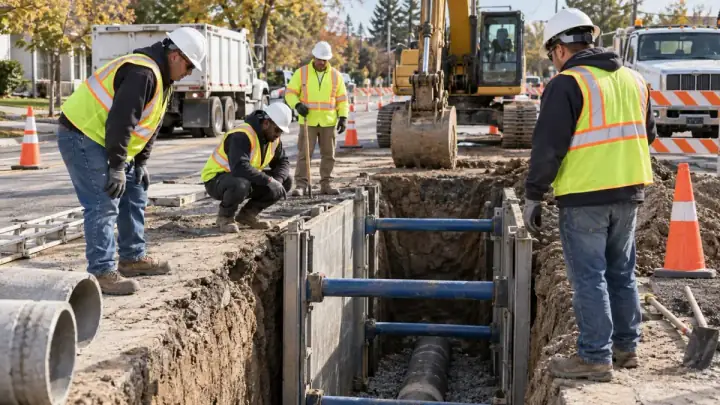
Stop-Work Decisions in Excavation: Training Supervisors to Pause Entry Before Conditions Turn Unsafe
September 15, 2026
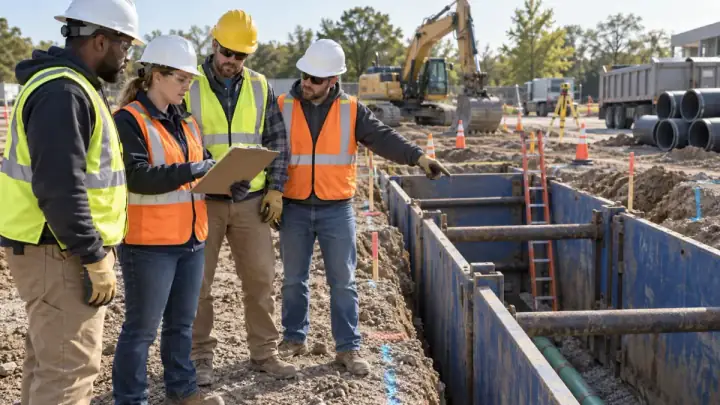
Municipal Utility Repair Trenches: Training Public Works Crews Before Short-Duration Excavation Jobs
September 14, 2026
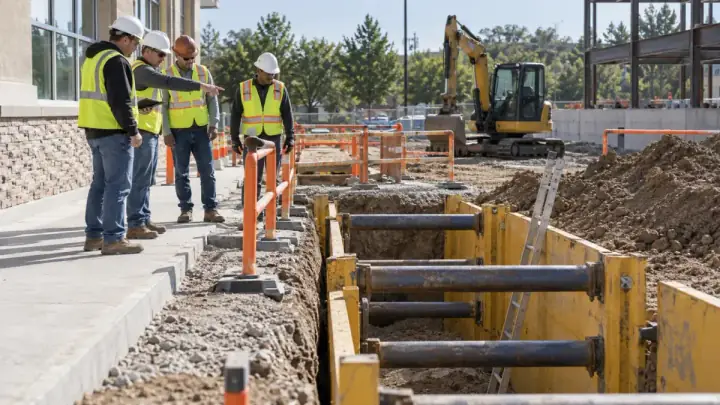
Building a Role-Based Excavation Safety Training Plan: Who Needs to Know What Before Work Starts
September 13, 2026
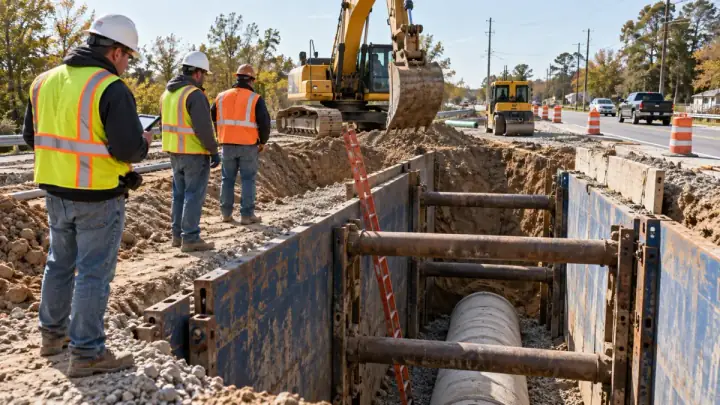
Surface Encumbrances and Adjacent Structures in Excavation: What Supervisors Should Check Before Entry
September 12, 2026
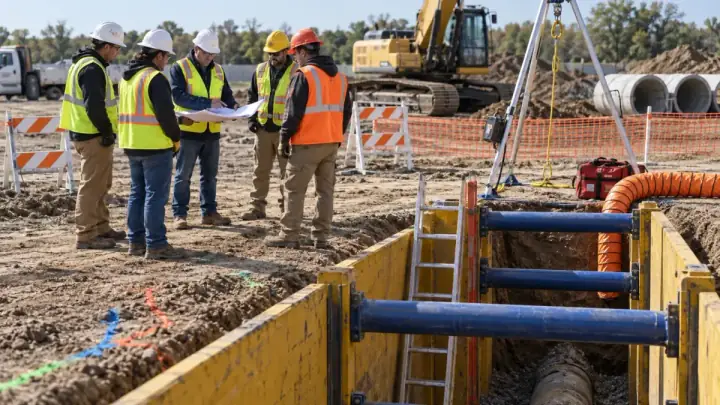
Vibration and Adjacent Loads in Trenching: How Nearby Activity Changes Excavation Risk
September 11, 2026
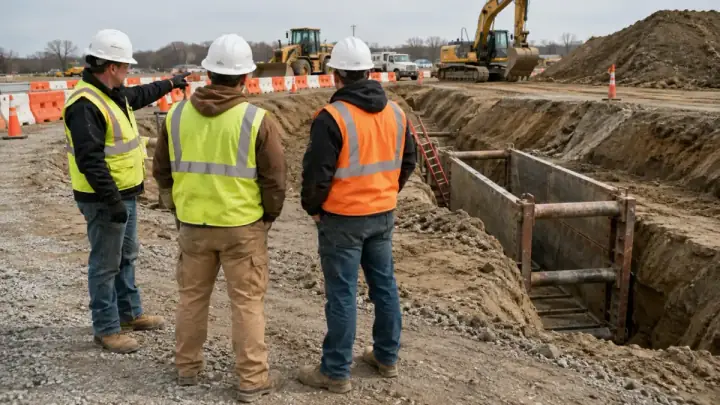
Trench Rescue Planning Before Excavation Work Begins: What Employers Should Prepare
September 6, 2026
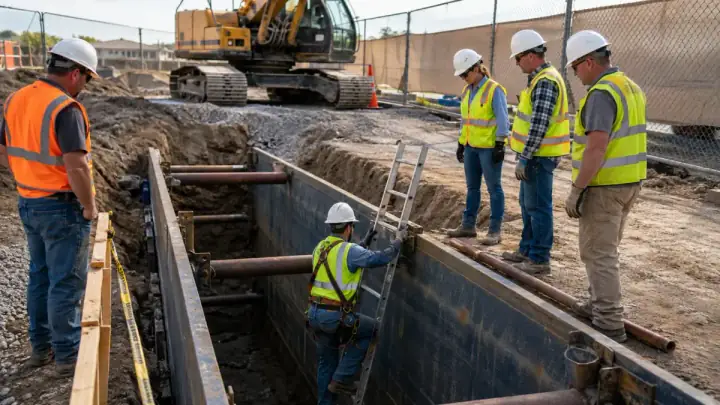
Choosing the Right Protective System for Trenching: Sloping, Benching, Shoring, and Shielding
September 3, 2026
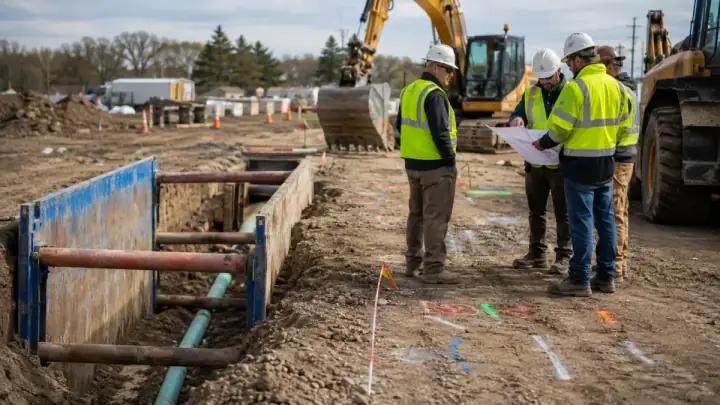
Trench Access and Egress Planning: What Supervisors Need to Control Before Entry
September 3, 2026
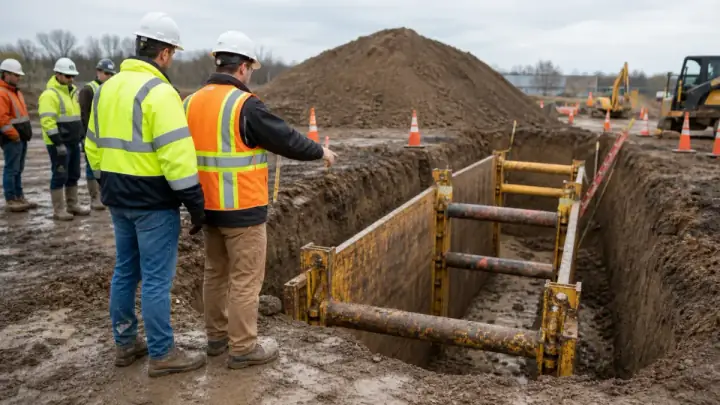
Underground Utility Hazards in Excavation: Training Crews Before the First Cut
September 2, 2026
When Rain Changes a Trench: Inspection Decisions Before Re-Entry
September 2, 2026